How ‘cyberpunk’ Chongqing became China’s tourism hotspot
The southwestern Chinese city is drawing record numbers of foreign visitors, and officials say this is the result of careful planning – not just viral videos.
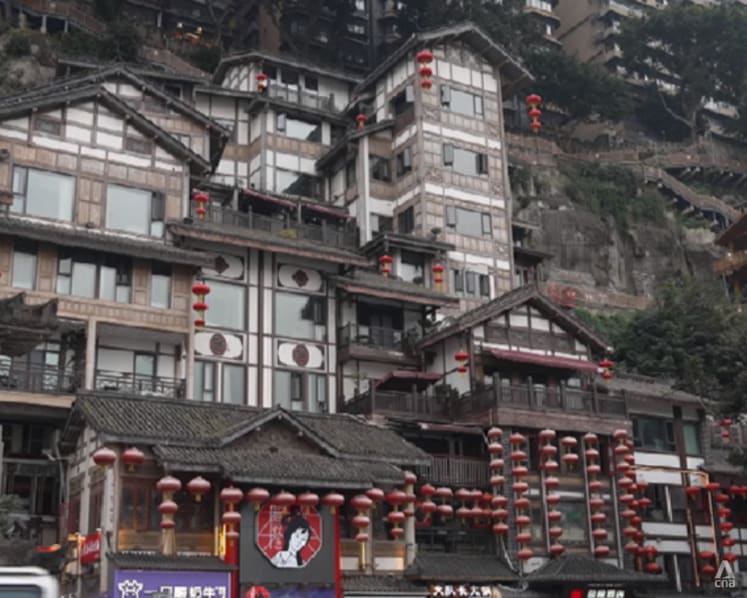
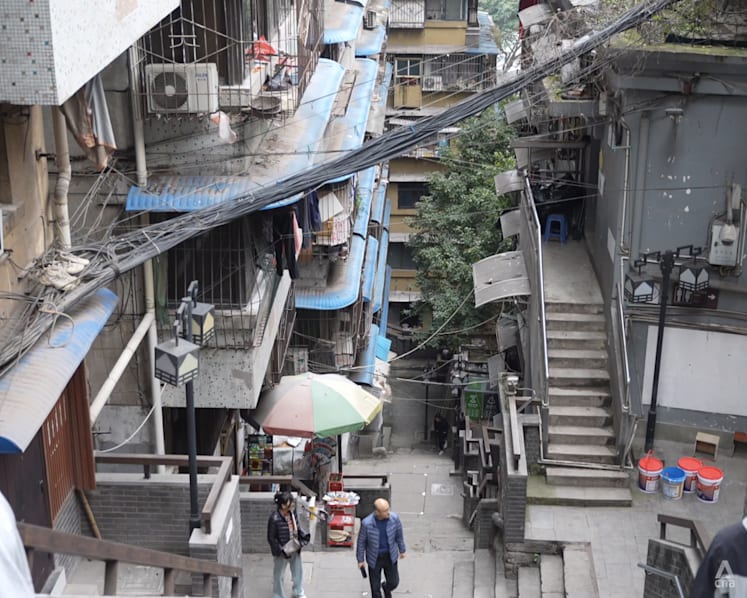
Chongqing's mountainous terrain and striking architecture have earned it the nickname “vertical city”.

This audio is generated by an AI tool.




CHONGQING: From spicy mala hotpot to a train that disappears through a residential building, Chongqing has become a social media sensation in recent years.
Its mountainous terrain and striking architecture have earned it the nickname “vertical city”. Skyscrapers rise from steep hillsides, while escalators stretch for minutes at a time.
The southwestern Chinese city hit record tourism numbers last year, with more than 2 million inbound trips recorded, according to local tourism officials.
Of these, 1.5 million were from foreign visitors – up more than 70 per cent year-on-year.
The boom, authorities say, did not happen by chance.





A CITY FIT FOR SOCIAL MEDIA
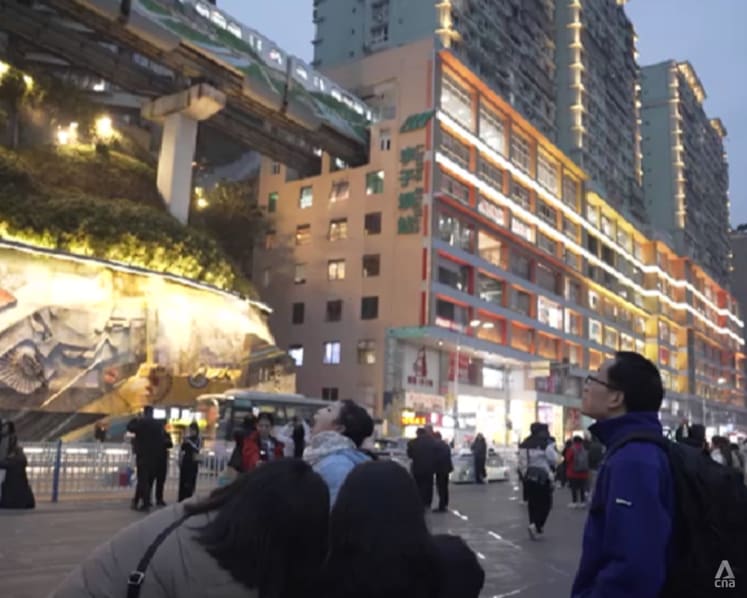
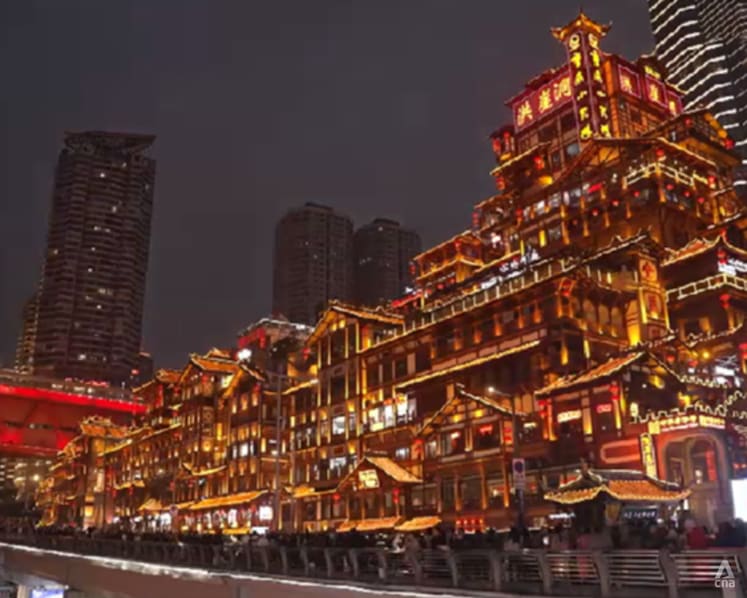
Many visitors are drawn to the city’s distinctive look, which has made it a natural backdrop for photos and videos.
“They like to see the cyberpunk vibe of the city, and also, we call it the 8D infrastructure,” local tour guide Hugh He told CNA, referring to how the city’s maze-like streets and roads stacked atop buildings seem to go beyond 3D.
After China expanded its visa-free scheme in 2023, foreign arrivals began picking up.
He shifted his focus exclusively to overseas tourists and stepped up content on platforms such as Instagram and TikTok.
Business has surged – from around 10 tours a month in 2024 to about 100 a month today.
“We are hiring English-speaking guides. The basic qualification is they have to speak very fluent English. And the second one is they should have overseas experience, so they should know more about the international culture,” said He.
COORDINATED TOURISM PUSH
Chongqing’s rise was driven by a deliberate strategy, said Zhu Mao, deputy director general at the Chongqing Municipal Commission of Culture and Tourism Development.
He said the city launched a series of themed promotional campaigns in 2025.
These included international influencer activities linked to the CCTV Spring Festival Gala’s Chongqing sub-venue, visits by internet celebrities, and promotional events featuring American basketball star Stephen Curry.
“These initiatives amplified Chongqing’s cultural tourism reputation and cemented its status as an internet-famous city both at home and abroad,” Zhu said.
He added that officials closely studied travel trends in key markets.
“Taking Southeast Asia as an example, Chongqing noted the younger, social-media-driven travel preferences of visitors from the region and responded with innovative campaigns such as short-video competitions, cross-border cultural tourism livestreams,” he said.
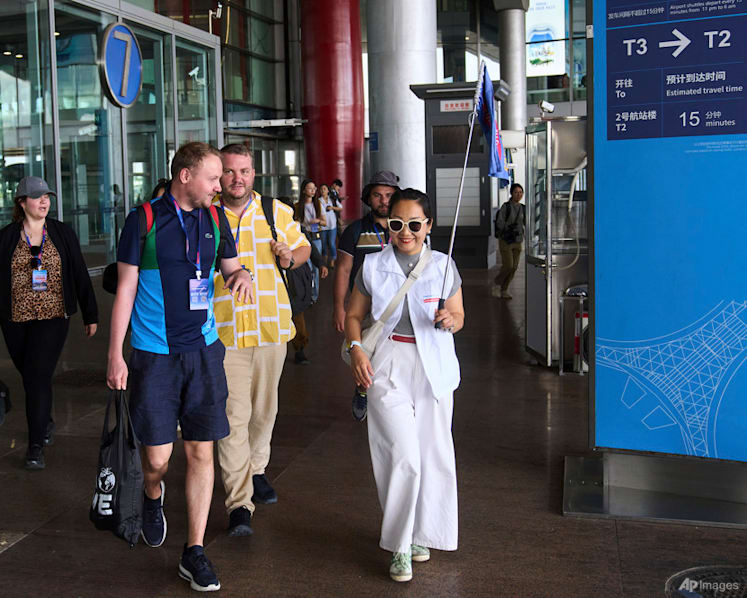
Southeast Asia now leads international arrivals to Chongqing. Visitor numbers from Europe, Russia and the Middle East are also rising rapidly, each up more than 100 per cent year-on-year.
Beyond digital campaigns, the city has introduced new tourism products.
These include large-scale cultural shows such as the musical Chongqing 1949 and food promotion efforts highlighting local cuisine.
It has also collaborated with neighbouring Sichuan province on joint tourism offerings.
MAKING THINGS EASIER FOR FOREIGNERS
Authorities have worked to improve the visitor experience as well.
Foreign bank cards are widely accepted across the city, and the number of shops offering tax refunds to departing visitors has increased to nearly 300, Zhu noted.
He added that Chongqing was among the first cities nationwide to give overseas tour groups more flexibility in accommodation arrangements, among other service improvements.
Boosting infrastructure and connectivity have been key, too.
Chongqing’s Jiangbei International Airport opened a new terminal last year, and a fourth runway came online in 2024.
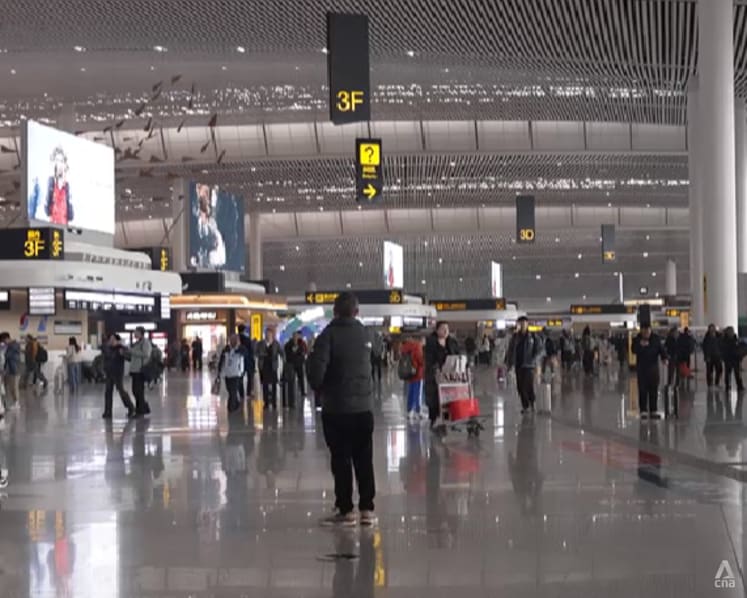
The airport now operates 38 international and regional passenger routes, with about 200 flights per week.
Annual passenger traffic exceeded 50 million for the first time last year.
Retail and dining options have also been upgraded. A new commercial street, opened in 2023, is part of a joint venture with Singapore’s Changi Airport.
Joe Zhou, general manager of Sino-Singapore Chongqing Airport Commercial Management, said the aim is to cater to different tastes.
Travellers can try local cuisine at the Chongqing Heritage Food Hall, while those who want international cuisine can go to the International Food Hall, he added.
Zhou said the model has attracted interest from other airports in China.
“Many airports visit Chongqing Airport to study our approach and have recognised the value of our experience,” he said.
“As a result, we have replicated this joint venture model at other airports, including Haikou Airport and Wuxi Airport.”
CAN OTHER CHINESE CITIES FOLLOW?
As a municipality that sits directly under China’s central government, like Beijing and Shanghai, Chongqing has more autonomy and resources than many second-tier cities.
Local authorities also offer performance-based incentives to travel agencies.
Dan Wang, China director at political risk consultancy Eurasia Group, said while Chongqing’s scale may be hard to match, aspects of its playbook can be replicated.
“It's not that hard to replicate what Chongqing is doing to improve the living environment and ecosystem when it comes to tourism,” she said.
“So when we think about the convenience of getting to the city, for example, the high-speed railway, the waterway, they're quite clean, very convenient,” she said.
Wang noted that other cities are already following suit.
“Even for places in Shandong, such as Yantai and Zibo, they're investing a lot to improve local transportation and the cleanliness when it comes to the local food scene. So I can see this positive spillover effect from Chongqing.”
Social media buzz may have put Chongqing on the map, but officials are betting that the strong branding – combined with improved services and connectivity – will keep tourists coming back.